Roads Get Gravel, Attorneys Get Retainers: A Per-Capita Look at Township Spending
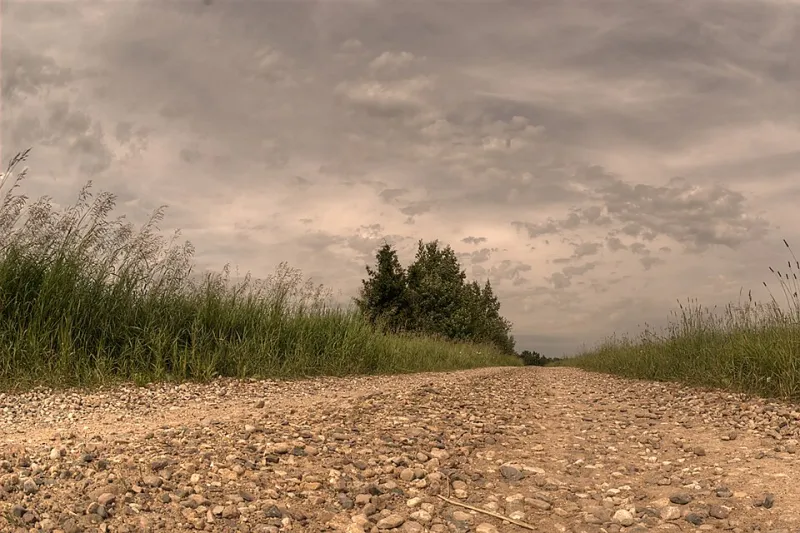
Photo: Aleksandr Markin, CC BY-SA 2.0, via Wikimedia Commons
Townships are the smallest units of general-purpose government in Illinois, and the easiest to overlook. They fix rural roads, run cemeteries, and administer general assistance — modest duties, modest budgets. Yet an analysis of financial reports filed with the Illinois Comptroller reveals striking variation in how 1,400-plus townships divide their money, and in a number of cases, the administrative overhead outpaces the asphalt.
What the Numbers Show
Using the Comptroller's online database of township Annual Financial Reports (AFRs), we calculated per-capita spending for townships with reliable population figures. The statewide median township spends roughly $12 per resident on legal, audit, and administrative costs combined. But the distribution has a long tail: a cluster of townships — mostly small in population — report legal and professional services lines that run two, three, even five times their road and bridge expenditures.
In one downstate township, the highway department received $18,000 while legal fees approached $60,000. In another, the board's combined salaries, legal retainers, and audit contracts consumed nearly half of all disbursements. These are not large sums in absolute terms, but townships have narrow missions. Every dollar spent on counsel is a dollar not spent on culverts, mowing, or the general assistance checks the township is legally responsible for providing.
The pattern raises a fair question: why do some townships need so much lawyering? Litigation over road easements, personnel disputes, and annexation fights can explain some of it. But without itemized contracts or board minutes that explain the fees, residents are left guessing — and guessing is not accountability.
How to Pull Your Own Township's Report
The good news is that the raw material is public and free. Here is the ten-minute version:
- Visit the Illinois Comptroller's Local Government Division website and open the fiscal year report search.
- Search by your township name and county. Most townships file AFRs annually, as required by the Township Code.
- Download the PDF or spreadsheet and look at two columns: expenditures by function (roads, general assistance, general government) and the line items within general government — legal fees, audits, salaries.
- Divide by your township's population from the latest Census estimate.
If your township's general government spending is more than its road fund, that is not automatically wrongdoing. But it is worth a question at the next town meeting. Ask what cases drove the legal bills, whether the board solicited competing audit quotes, and whether the highway commissioner's budget matches the township's mileage of gravel roads.
What the Disparity Suggests
Two things stand out from the outliers. First, small townships with part-time boards appear more likely to lean on outside counsel and consultants — sometimes out of necessity, sometimes out of habit. Second, the townships with the cleanest cost structures tend to be the ones that post their budgets and minutes online, unprompted. Transparency and restraint travel together, or they don't travel at all.
Township government predates the state itself, and most of Illinois' 1,431 townships do quiet, competent work. But quiet work still deserves a reading public. The $12 median is a benchmark; the outliers are an invitation to ask better questions.