From Committee Chair to Contract Broker: Tracking the Two-Year Revolving Door at the Illinois Statehouse
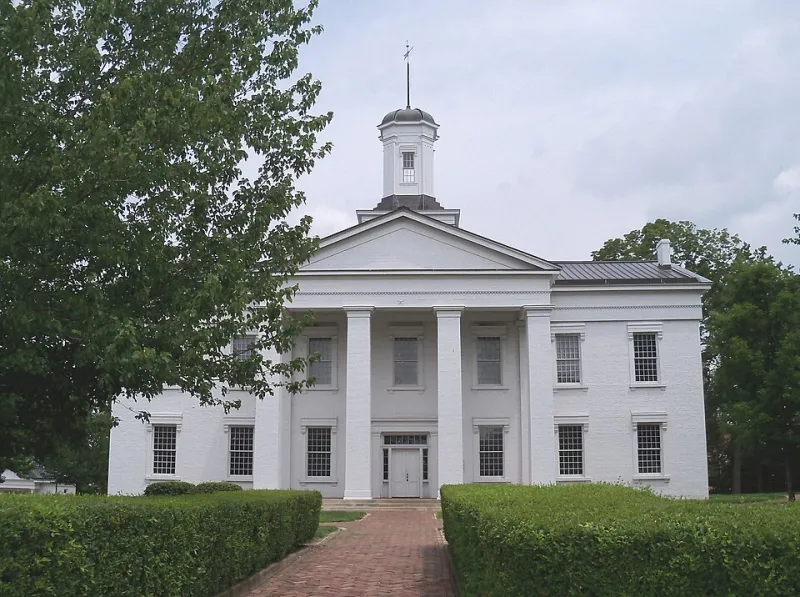
Photo: Jon Platek, CC BY-SA 3.0, via Wikimedia Commons
Illinois law is straightforward on its face. Former legislators and senior staff who want to lobby their old colleagues must sit out for a defined cooling-off period and register with the Secretary of State's Lobbyist Information Center. What the law does not do — and what no state agency currently does — is connect the dots afterward.
Nobody publishes a list showing which former lawmakers registered as lobbyists, which agencies they once oversaw, and which state contracts their subsequent clients won. That gap is why we spent weeks cross-referencing three public record sources: lobbying registrations, House and Senate committee assignment archives, and the state's procurement portal.
Three Databases, Zero Connections
The first obstacle is structural. Lobbying registrations live with the Secretary of State. Committee histories live with the General Assembly. Contract awards live with the Chief Procurement Office and the comptroller's payment database. Each system is individually searchable. None communicates with the others, and no statutory requirement forces anyone to reconcile them.
The result is a transparency regime that satisfies the letter of disclosure law while defeating its purpose. A citizen who wants to know whether the former chair of a transportation committee now represents a firm holding highway engineering contracts must perform the match manually — assuming they know to look at all.
What the Cross-Reference Shows
Our timeline, built from filings dating back several sessions, documents a recurring pattern. Former members of the General Assembly appear as registered agents in Springfield — often within or shortly after the statutory waiting window — frequently representing clients with active business before the very agencies their old committees shaped.
The overlaps that stand out most:
- Appropriations and revenue veterans who registered to lobby on behalf of healthcare systems, utilities, and gambling interests — the industries most dependent on the budget and tax statutes they once marked up.
- Transportation committee alumni whose subsequent clients include engineering and construction firms competing for Illinois Department of Transportation contracts.
- Former committee staff — who face weaker cooling-off rules than principals — moving directly into government affairs roles at trade associations regulating the industries they helped draft rules for.
To be clear: registration is legal, and most of these filings comply with existing law. The issue is not individual misconduct in most cases. It is a disclosure architecture that makes systemic patterns invisible without labor-intensive reconstruction.
The Enforcement Gap
Cooling-off violations, where they occur, are rarely punished. The legislative inspector general's office has historically lacked subpoena power, and the statute of limitations on many registration lapses expires before any inquiry begins. In practice, enforcement depends heavily on complaints from competitors or journalists — an enforcement model that catches only the most conspicuous cases.
Compare this with states that have built integrated disclosure systems. Some publish automatic match reports flagging when a registered lobbyist's client holds contracts with an agency the lobbyist's former principal once oversaw. The technology is unremarkable. The missing ingredient in Illinois is the mandate.
Three Fixes That Cost Almost Nothing
Our reporting points to three reforms, none requiring new bureaucracy:
- A unified register. Require the Secretary of State's lobbyist database to include each registrant's prior public office and committee assignments, drawn directly from General Assembly records.
- Procurement disclosure. Require state agencies to check contract awards against the lobbyist register and file a brief notice when a winning bidder's registered agent is a former legislator or staffer.
- Real teeth for late filings. Make late or incomplete registration a fineable offense with penalties scaled to the client's contract value, payable into a transparency fund.
Read the Records Yourself
Every document underpinning this piece is public. Lobbyist registrations can be downloaded from the Secretary of State's site; committee histories are archived on the General Assembly's website; contract awards appear in the procurement bulletin. The links between them are ours — but the raw material belongs to every Illinoisan.
We have published our matched timeline as a searchable dataset alongside this article. If you find an overlap we missed, our tip line and our FOIA templates are ready. Sunlight, in the end, is a collaborative project.