Before the Vote, After the Check: What Donation Timing Reveals in Springfield
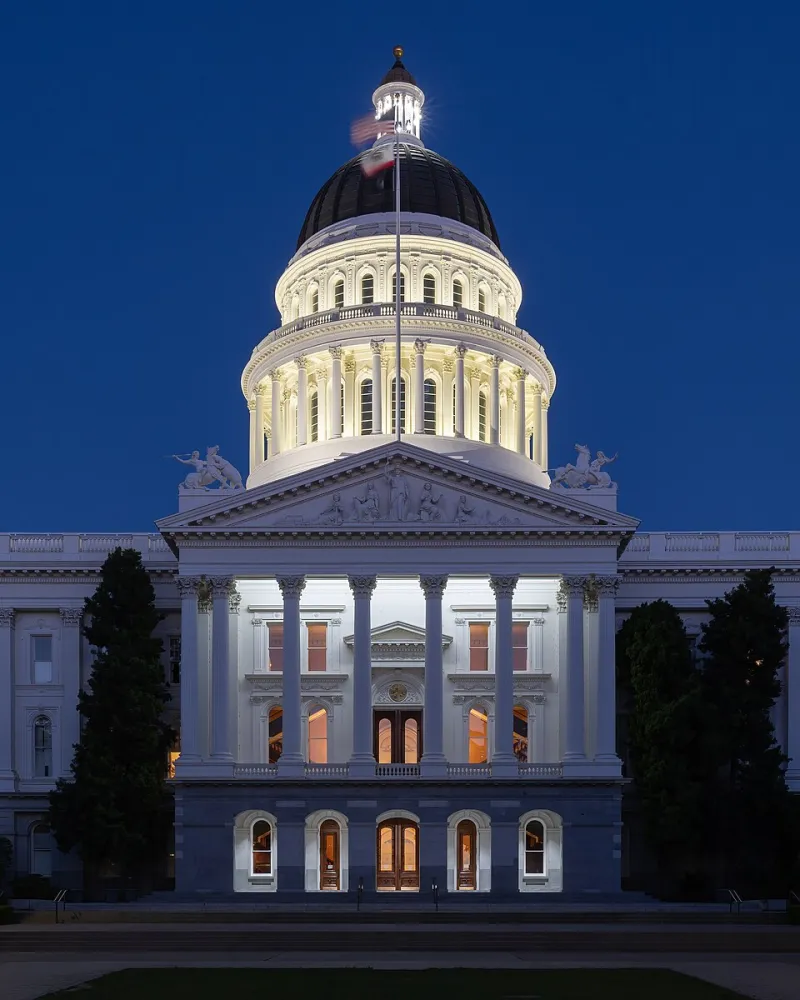
Photo: Frank Schulenburg, CC BY-SA 4.0, via Wikimedia Commons
There is a pattern in Illinois legislative politics that is not illegal, not secret in any technical sense, and yet nearly invisible to the average voter. It lives in the gap between two public records: the campaign contribution reports filed with the State Board of Elections, and the roll-call votes recorded in the journals of the House and Senate.
We matched them. What follows is what the match shows — and why the timing of disclosure, more than the timing of donations, is the reform that matters.
The Records, and the Gap Between Them
Illinois requires candidates and political committees to file contribution reports on a quarterly schedule, with additional reports due before and after primary and general elections. Contributions above the itemization threshold must be reported, and large donations must be disclosed within a window of the filing deadline.
That quarterly rhythm creates a structural blind spot. A contribution received in February may not appear on a public report until April. A committee vote on a bill affecting the donor's industry may occur in March. By the time a voter can see the donation, the vote is history, the bill has moved, and the legislative session's news cycle has rolled on.
What the Match Shows
Examining recent sessions, we paired committees' disclosed contributions with legislators' votes on high-profile bills where industry interests were plainly at stake — measures touching insurance regulation, gaming, utilities, and public contracting. The methodology was simple: flag contributions from industry-connected PACs and executives in the two quarters surrounding a bill's committee hearing, then compare those legislators' committee and floor votes to colleagues who received no such contributions.
The results are correlational, not proof of a quid pro quo — no honest analyst can claim otherwise. But the alignment is consistent enough to notice. On contested industry bills, legislators who received contributions from affected interests in the surrounding period voted with the industry position at a rate noticeably higher than their non-recipient colleagues, even after controlling for party. In several cases, the contribution was disclosed after the committee vote had already occurred — meaning a voter following the bill in real time had no way to know the financial context.
The Case for Faster Disclosure
This is where the argument becomes opinion, and we will state it plainly: quarterly disclosure was designed for a paper era and is inadequate for a session that moves in days. Illinois already requires pre-election reports for a reason — voters deserve relevant information before they act. The same logic should apply to legislative action.
A modest fix exists in the national conversation: near-real-time electronic reporting of large contributions, on the model of the 48-hour and 24-hour reporting windows Congress applies to certain federal donations. Extending a comparable requirement to Illinois contributions above a set threshold — filed electronically, published immediately by the State Board of Elections — would shrink the blind spot from months to days. The infrastructure already exists; Illinois committees file electronically today. Only the schedule lags.
Explore It Yourself
The records used here are public and free. The State Board of Elections maintains a searchable contributions database; the General Assembly publishes roll calls by bill and by legislator. A voter with a spreadsheet and an evening can run this analysis for their own district: pull the contributions, pull the votes, and compare.
Sunlight does not require a subpoena. It requires citizens who know which two ledgers to put side by side — and a disclosure schedule that lets them do it while the vote is still ahead, not behind.