Vaulted Windfalls: The Illinois Tax-Sale Money Waiting on a Notice That Never Comes
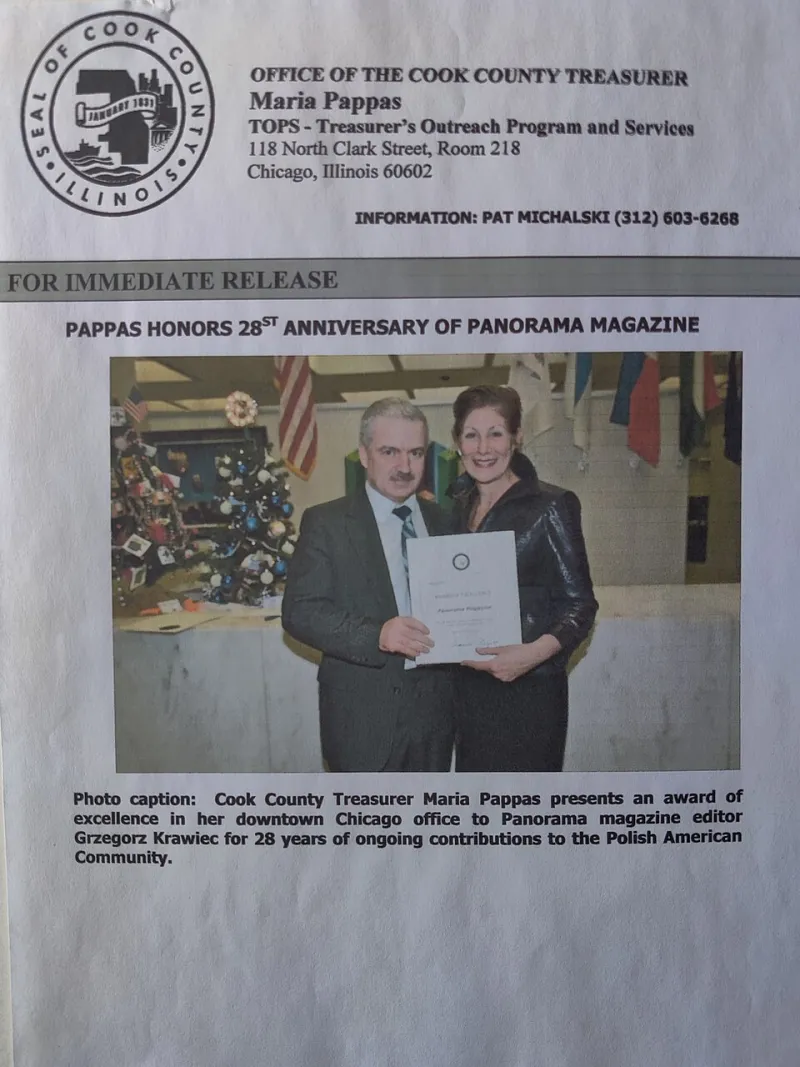
Photo: Office Of The Cook County Treasurer photographer., CC BY-SA 4.0, via Wikimedia Commons
Illinois' tax-sale system is built to collect what local governments are owed. It is not always built to return what it collects beyond that amount. When a delinquent property is sold at a tax lien sale or a scavenger sale, the winning bid can exceed the taxes, interest, and costs attached to the parcel. The difference—commonly called a surplus or excess proceeds—does not belong to the county. It belongs, at least initially, to the former owner or another party with a recorded interest. Yet in many counties, the trail from sale to surplus to claim is difficult to follow without a records request, a working knowledge of parcel numbers, and patience.
That gap is an open-records problem before it is a spending problem. A surplus that is never claimed may eventually be transferred, escheated, or absorbed under rules that differ by county. But the first question is simpler: did anyone tell the person who lost the property that money was waiting?
The Space Between Collection and Communication
Illinois law sets notice requirements for the tax sale itself. Counties publish delinquent lists, send notices to owners of record, and provide redemption periods. The surplus stage is less uniform. Some counties post spreadsheets of unclaimed funds online. Others publish a PDF updated quarterly, or a scanned notice in a newspaper, or nothing searchable at all. A former owner who has moved, changed names, or died may never encounter the notice, even when the county has a current address in another database.
The result is a quiet form of information asymmetry. The government knows a surplus exists because its own ledger says so. The claimant often does not. In an era when counties can publish parcel-level data and permit searches by name or address, the persistence of hard-to-find surplus lists is a choice, not a technical inevitability.
What the Lists Reveal—and What They Hide
A useful audit of Illinois tax-sale surpluses begins with the lists counties already keep. In some offices, the treasurer or clerk maintains a "surplus funds" or "excess proceeds" register. The columns may include the parcel index number, the sale date, the amount held, and the name of the party entitled to claim. In other counties, the same information is split across sale books, redemption records, and general ledgers.
The variation matters for public access. A list that can be downloaded as a spreadsheet allows a resident, a journalist, or a legal aid office to search by name and address. A list that exists only as a printed page at a counter does not. A list that omits the property address or the year of sale can be nearly useless to the person most affected.
There is also the question of deadlines. Counties typically hold surplus funds for a period set by statute or local policy before transferring unclaimed amounts. Those deadlines are not always stated on the same page as the list. When a claim window closes without a clear public record of how many people were notified, the public cannot easily tell whether the process worked or whether it simply ran out the clock.
A County-by-County Audit Framework
Illinois Open Gov's 2026 review would ask a consistent set of questions of each county office:
- Is there a public surplus list? If so, is it online, searchable, and current within the last quarter?
- What identifiers are included? Parcel number, property address, sale year, claimant name, and amount held are the minimum. Without an address or parcel number, a name-only search is fragile.
- How is notice given? Is there a mailed notice to the last known address? A newspaper notice? A website posting? Is the method stated in county policy?
- What is the claim deadline? Is it published alongside the list, and does the county track how many claims are paid versus how many funds are transferred?
- How hard is the request? Can a resident get the list without a formal FOIA request, and if a request is required, does the county respond within the statutory five business days?
These questions do not require new databases. They require counties to treat surplus information as public information—because it is.
How to Search Your Own County
Start with the county clerk and county treasurer. Ask specifically for the "tax sale surplus list," "excess proceeds register," or "unclaimed tax sale funds." If the office says no such list exists, ask for the records that track tax-sale proceeds and redemptions. A written request is better than a phone call because it creates a record.
Use a simple FOIA request: ask for a current list in electronic format, including parcel number, property address, sale date, amount held, and the name of the party entitled to claim. Request the county's written policy on surplus notification and the date range covered by the list. If the county provides only a PDF, ask whether a spreadsheet version exists.
Once you have the list, search by the former owner's name, the property address, and the parcel number. If you find a match, contact the county office named on the claim form and ask what documentation is required. Do not assume that a listed amount is still available; confirm the current status in writing.
The Case for Clearer Disclosure
A tax sale is a lawful remedy for unpaid taxes. A surplus is not a penalty. It is an accounting remainder that belongs to someone. Counties that publish clear, searchable surplus lists are not doing favors; they are closing a loop that otherwise leaves citizens guessing and governments holding money they cannot responsibly spend.
The 2026 audit standard is straightforward: if a county can generate a surplus, it can publish a list. If it can publish a list, it can make it searchable. And if it holds money that belongs to a former owner, it can say so in a place where that owner—or an heir, a neighbor, or an advocate—can find it.